
If you’re looking for recipes in English for children, this list will help you combine cooking and language learning. These easy recipes introduce basic cooking vocabulary while kids have fun in the kitchen.
Recipes in English for Children
These recipes in English for children help kids learn cooking vocabulary in a practical and fun way. Each recipe includes simple ingredients and step-by-step instructions.
1. Pancakes
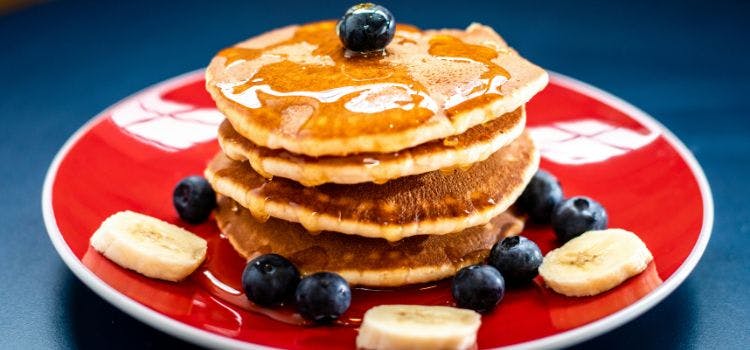
Pancakes are a simple, fun recipe, perfect for learning basic English cooking and recipe vocabulary.
Plus, depending on the child's age, they can make them alone, with siblings, friends, or even with their parents.
Ingredients
- 1 cup flour
- 2 tablespoons sugar
- 1 tablespoon baking powder
- 1/2 teaspoon salt
- 1 cup milk
- 1 egg
- 2 tablespoons melted butter
- 1 teaspoon vanilla extract (optional)
🥞🍯🫐 With all the ingredients at hand, you can start with the recipe. Try to follow it, but we leave the toppings up to you, although we recommend fresh fruit and some honey.
Recipe
- Mix dry ingredients in a bowl.
- Beat wet ingredients in another bowl.
- Combine the mixtures.
- Cook on a hot skillet until bubbles form, flip and cook until golden.
- Serve with favorite toppings.
By following simple recipes like this, children don’t just cook - they start understanding and using English naturally in real-life situations.
From simple recipes to real English conversations
Cooking is a great start. At Papora, you move from basic vocabulary to real conversations with unlimited live classes and 500+ self-paced lessons up to C1.
Practice real English now


2. Pepperoni Pizza

Pepperoni pizza is an easy and fun recipe that children can make with adult supervision, as it does require using the oven. Our recipe suggests using ready-made pizza dough, but you can also make it from scratch.
With this recipe, children can learn vocabulary related to basic pizza ingredients and kitchen utensils.
Ingredients
- 1 pizza crust (store-bought or homemade)
- 1/2 cup tomato sauce for pizza
- 1 cup shredded mozzarella cheese
- 1/2 cup sliced pepperoni
🍕🧀🔥 With all the ingredients together, remember to preheat the oven, which is the most important thing, and when you're finished, enjoy a slice of pizza.
Recipe
- Preheat the oven to 425°F (220°C).
- Place the pizza crust on a baking sheet.
- Spread the pizza sauce evenly over the crust.
- Sprinkle the mozzarella cheese evenly over the sauce.
- Arrange the pepperoni slices over the cheese.
- Bake for 12-15 minutes or until the cheese is bubbly and golden.
- Let cool slightly before cutting and serving.
3. Chocolate Cake
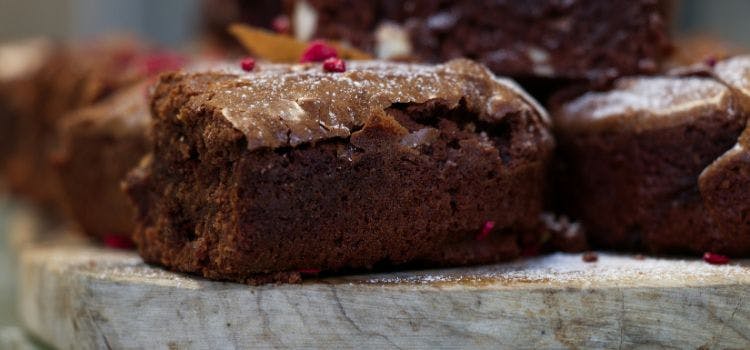
This is a perfect recipe for a birthday party where the child learning English wants to bake the cake themselves. Like the others, it also helps them learn vocabulary related to ingredients and kitchen utensils in English.
Ingredients
- 1 3/4 cups flour
- 1 1/2 cups sugar
- 3/4 cup cocoa powder
- 1 1/2 teaspoons baking powder
- 1 1/2 teaspoons baking soda
- 1 teaspoon salt
- 2 eggs
- 1 cup milk
- 1/2 cup vegetable oil
- 2 teaspoons vanilla extract
- 1 cup boiling water
🎂🍫👩🏼🍳 This recipe has many ingredients, but it's easy to make because it's just a matter of mixing the ingredients and putting them in the oven.
Recipe
- Preheat oven to 350°F (180°C).
- Mix dry ingredients.
- Add wet ingredients and mix.
- Stir in boiling water.
- Pour into pan and bake for 30-35 minutes.
- Let cool before removing from pan.
4. Oatmeal Chocolate Chip Cookies
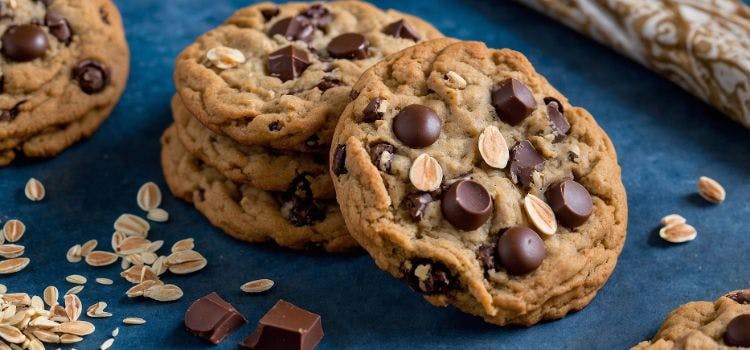
A fun recipe for children to learn English while baking delicious cookies. It's a great way to learn baking terms and enjoy a homemade treat.
Ingredients
- 1 cup butter
- 1 cup brown sugar
- 1/2 cup white sugar
- 2 eggs
- 1 teaspoon vanilla extract
- 1 1/2 cups flour
- 1 teaspoon baking soda
- 1/2 teaspoon salt
- 3 cups oats
- 1 cup chocolate chips
🍪🥣🍫 These cookies are easy to make and perfect for practicing English cooking vocabulary while mixing and baking. You can enjoy them with milk.
Recipe
- Preheat oven to 350°F (180°C).
- Cream butter and sugars.
- Add eggs and vanilla.
- Mix in dry ingredients.
- Stir in oats and chocolate chips.
- Drop spoonfuls and bake for 10-12 minutes.
With recipes like this, children don’t just bake - they begin to understand and use English naturally while following real instructions.
Expand your culinary vocabulary in English with Papora
Learn hundreds of culinary terms and useful everyday expressions with unlimited classes with native-level teachers + self-guided course up to level C1.
Learn culinary English live
5. Macaroni and Cheese
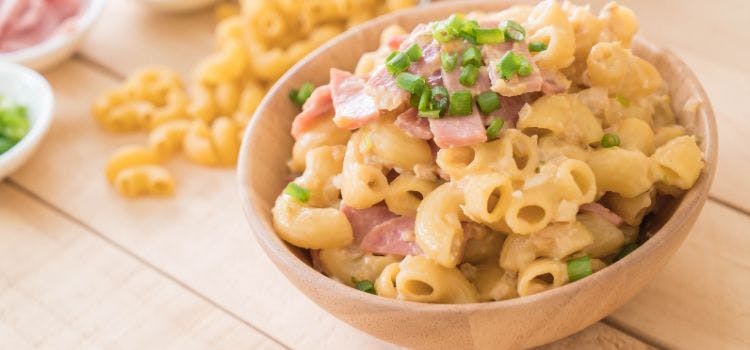
Ideal for a quick and tasty meal that children can help prepare while learning new English words. It's a simple recipe that introduces basic cooking terms.
Ingredients
- 2 cups elbow macaroni
- 4 tablespoons butter
- 1/4 cup flour
- 2 cups milk
- 2 cups cheddar cheese
- Salt and pepper
🍝🧀🫕 A classic recipe that is easy to follow and perfect for practicing English in the kitchen while enjoying a creamy and delicious dish.
Recipe
- Cook macaroni.
- Melt butter, add flour, and cook.
- Add milk and cook until thickened.
- Stir in cheese, salt, and pepper.
- Mix with cooked macaroni.
Basic English Vocabulary for Recipes
Learning key cooking words helps children understand recipes and follow instructions in English more confidently.
Let's start by finding out how to say the English names for the appliances and utensils you'll need to prepare the best English recipes.
- Oven - a kitchen appliance used for baking or roasting food using heat.
- Refrigerator - an appliance that keeps food and drinks cold to preserve them.
- Mixer - a device used to combine or beat ingredients, especially in baking.
- Fork - a utensil with prongs used for picking up and eating food.
- Knife - a sharp tool used for cutting food.
- Pan - a flat cooking container used for frying or heating food on a stove.
Now let's talk about typical recipe measurements, like when they tell you to add a tablespoon of sugar.
- Tablespoon - a unit of measurement commonly used in cooking, equal to about 15 ml.
- Slice - a thin, flat piece cut from food like bread, meat, or fruit.
- Pinch - a very small amount of an ingredient, taken between two fingers.
- Ounce - a unit of weight used mainly in the US and UK (about 28 grams).
- Cup - a standard unit of volume used in recipes, especially in American cooking.
Obviously, we can't list every food in the world here, because we'd never finish. But we can consider the most common ones.
- Salt - a common seasoning used to enhance the flavor of food.
- Pepper - a spice used to add mild heat and flavor to dishes.
- Sugar - a sweet ingredient used in desserts and to balance flavors.
- Oil - a liquid fat used for cooking, frying, or dressing food.
- Butter - a dairy product used for cooking, baking, and spreading.
- Flour - a powder made from ground grains, used for baking and thickening.
- Eggs - a versatile ingredient used in cooking and baking for structure and richness.
Now you're ready to learn the basics of cooking in English with the little ones in your family. Cooking, eating, and improving your English as a family has never been so easy. Enjoy your meal!
From cooking pancakes to speaking fluent English with Papora
Start with cooking vocabulary and build real speaking confidence through unlimited live classes and 500+ self-paced lessons up to C1.
Practice English with live classes
Frequently asked questions about recipes for children in English
Children can start from around age 6 with supervision. They can mix, pour, and stir while learning basic cooking vocabulary in English.
With these 5 recipes, you can learn between 50 and 80 new English words, including ingredients (flour, eggs, sugar), utensils (bowl, whisk, pan), actions (mix, bake, flip), and measurements (cup, tablespoon, teaspoon). Furthermore, repeating the recipes reinforces vocabulary naturally and enjoyably. It's recommended to cook each recipe 2-3 times to help the words stick in your memory.