
Countries in English are part of the basic vocabulary every learner needs. Knowing how to say them correctly helps you answer simple questions like “Where are you from?” and talk about places around the world.
In this guide, you’ll find a list of countries in English with pronunciation, organized by continent. We also include examples of nationalities to help you expand your vocabulary faster.
Learning the names of countries in English is a great start, but vocabulary becomes much easier when you practice it in real conversations. That’s where the right learning environment can make a big difference.
Practice English vocabulary with real conversations
Learning country names is just the first step. With Papora, you can practice pronunciation and build vocabulary through unlimited live classes with expert teachers and more than 500 interactive lessons.
Start practicing English today


How can learning countries in English help you?
Knowing the names of countries in English helps you talk about places, travel, and answer common questions like “Where are you from?” It’s part of the basic vocabulary every learner needs.
It also helps you understand nationalities and describe where people come from. These words appear often in everyday conversations, so learning them early makes communication easier.
For this reason, countries and nationalities are usually introduced at the beginner level when learning English.
Countries in English by Continent (with Pronunciation)
Below you’ll find a list of countries in English organized by continent, along with their pronunciation. This will help you learn how these names are written and said in everyday English.
We start with Europe and then move to other regions of the world.
Europe
| Country | Pronunciation |
| Albania | /ælˈbeɪniə/ |
| Germany | /ˈdʒɜːrməni/ |
| Belgium | /ˈbeldʒəm/ |
| Belarus | /ˌbeləˈruːs/ |
| Cyprus | /ˈsaɪprəs/ |
| Croatia | /kroʊˈeɪʃə/ |
| Denmark | /ˈdenmɑːrk/ |
| Spain | /speɪn/ |
| Finland | /ˈfɪnlænd/ |
| France | /fræns/ |
| Wales | /weɪlz/ |
| Greece | /ɡriːs/ |
| Hungary | /ˈhʌŋɡəri/ |
| England | /ˈɪŋɡlənd/ |
| Ireland | /ˈaɪərlənd/ |
| Iceland | /ˈaɪslənd/ |
| Italy | /ˈɪtəli/ |
| Luxembourg | /ˈlʌksəmbɜːrɡ/ |
| Moldova | /mɒlˈdoʊvə/ |
| Norway | /ˈnɔːrweɪ/ |
| Netherlands | /ˈneðərləndz/ |
| Poland | /ˈpoʊlənd/ |
| Portugal | /ˈpɔːrtʃəɡəl/ |
| United Kingdom | /juːˈnaɪtɪd ˈkɪŋdəm/ |
| Czech Republic | /tʃek rɪˈpʌblɪk/ |
| Russia | /ˈrʌʃə/ |
| Türkiye | /ˈtɜːrkiː/ |
| Ukraine | /juːˈkreɪn/ |

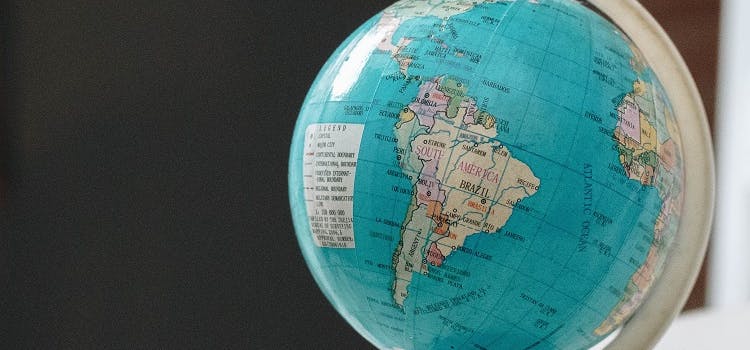
South America
| Country | Pronunciation |
| Argentina | /ˌɑːrdʒənˈtiːnə/ |
| Bolivia | /bəˈlɪviə/ |
| Brazil | /brəˈzɪl/ |
| Chile | /ˈtʃɪli/ |
| Colombia | /kəˈlʌmbiə/ |
| Ecuador | /ˈekwədɔːr/ |
| Paraguay | /ˈpærəɡwaɪ/ |
| Peru | /pəˈruː/ |
| Uruguay | /ˈjʊərəɡwaɪ/ |
| Venezuela | /ˌvenəˈzweɪlə/ |
Central America
| Country | Pronunciation |
| Belize | /bəˈliːz/ |
| Costa Rica | /ˌkɒstə ˈriːkə/ |
| El Salvador | /el ˈsælvədɔːr/ |
| Guatemala | /ˌɡwɑːtəˈmɑːlə/ |
| Honduras | /hɒnˈdʊərəs/ |
| Nicaragua | /ˌnɪkəˈrɑːɡwə/ |
| Panama | /ˌpænəˈmɑː/ |

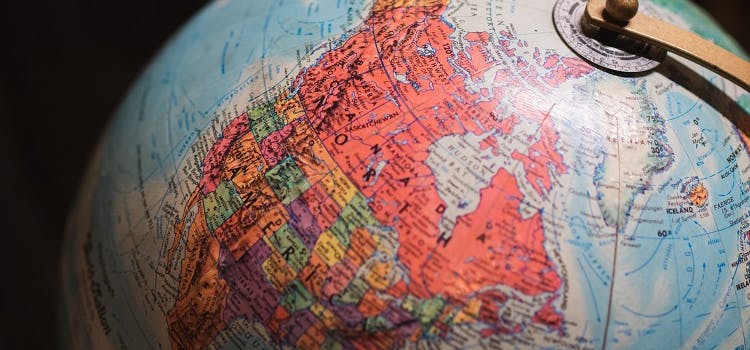
North America and Carribean
| Country | Pronunciation |
| Belize | /bəˈliːz/ |
| Canada | /ˈkænədə/ |
| Cuba | /ˈkjuːbə/ |
| United States | /juːˈnaɪtɪd steɪts/ |
| Greenland | /ˈɡriːnlænd/ |
| Mexico | /ˈmeksɪkoʊ/ |
| Puerto Rico | /ˌpwertoʊ ˈriːkoʊ/ |
| Dominican Republic | /dəˈmɪnɪkən rɪˈpʌblɪk/ |
Africa
| Country | Pronunciation |
| Algeria | /ælˈdʒɪəriə/ |
| Burkina Faso | /bɜːrˌkiːnə ˈfɑːsoʊ/ |
| Cape Verde | /keɪp ˈvɜːrdeɪ/ |
| Cameroon | /ˌkæməˈruːn/ |
| Egypt | /ˈiːdʒɪpt/ |
| Ethiopia | /ˌiːθiˈoʊpiə/ |
| Equatorial Guinea | /ˌekwəˈtɔːriəl ˈɡɪni/ |
| Kenya | /ˈkenjə/ |
| Morocco | /məˈrɒkoʊ/ |
| Mauritius | /məˈrɪʃəs/ |

Asia
| Country | Pronunciation |
| Afghanistan | /æfˈɡænɪstæn/ |
| Bangladesh | /ˌbæŋɡləˈdeʃ/ |
| Bahrain | /bɑːˈreɪn/ |
| Bhutan | /buːˈtɑːn/ |
| Cambodia | /kæmˈboʊdiə/ |
| China | /ˈtʃaɪnə/ |
| Korea | /kəˈriːə/ |
| Iraq | /ɪˈrɑːk/ |
| Iran | /ɪˈrɑːn/ |
| Japan | /dʒəˈpæn/ |
| Kazakhstan | /ˌkæzækˈstɑːn/ |
| Singapore | /ˈsɪŋəpɔːr/ |
| Thailand | /ˈtaɪlænd/ |

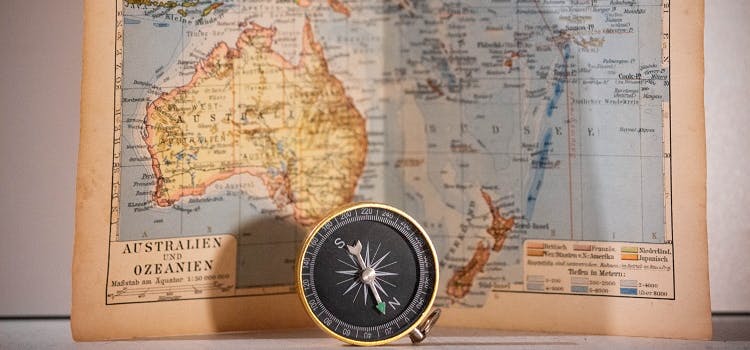
Oceania
| Country | Pronunciation |
| Australia | /ɒˈstreɪliə/ |
| Fiji | /ˈfiːdʒiː/ |
| New Zealand | /ˌnjuː ˈziːlənd/ |
Nationalities in English
Now, an important part of learning country vocabulary is also knowing how to say nationalities. That's why we've included a list with some examples that might help you.
However, if you'd like to learn more about this topic, you can read our article on Nationalities in English: How to Say Them?
| Country in English | Nationality |
| Germany | German |
| Argentina | Argentinian |
| Australia | Australian |
| Bolivia | Bolivian |
| Brazil | Brazilian |
| United Kingdom | British |
| Canada | Canadian |
| Chile | Chilean |
| China | Chinese |
| Colombia | Colombian |
| Costa Rica | Costa Rican |
| Cuba | Cuban |
| Dominican Republic | Dominican |
| Ecuador | Ecuadorian |
| Egypt | Egyptian |
| Spain | Spanish |
| United States | American |
| France | French |
| Guatemala | Guatemalan |
| Honduras | Honduran |
| Hungary | Hungarian |
| India | Indian |
| Ireland | Irish |
| Italy | Italian |
| Japan | Japanese |
| Morocco | Moroccan |
| Mexico | Mexican |
| Netherlands | Dutch |
| Nicaragua | Nicaraguan |
| Panama | Panamanian |
| Paraguay | Paraguayan |
| Peru | Peruvian |
| Portugal | Portuguese |
| Russia | Russian |
| El Salvador | Salvadorian |
| South Africa | South African |
| Switzerland | Swiss |
| Ukraine | Ukrainian |
| Uruguay | Uruguayan |
| Venezuela | Venezuelan |
Memorize country names in English
Learning country names takes practice. You don’t need to memorize them in order, but repeating them regularly will help you remember them faster.
One of the best ways to learn them is by using the words in conversation or by looking at maps and flags while practicing pronunciation.
Tricks to memorize countries in English

If you need to remember them for a test or practice your vocabulary, these simple techniques can help.
Repeat over and over:
Repeat the country names out loud in order. Cover the previous ones as you move through the list. When you finish, try writing the names again without looking.
Use a world map to locate yourself:
Take a blank world map and write the country names you remember. You can also use a globe and name the countries you see at random, then check your answers afterward.
“Print a world map, color-code it, and write the names in bold. Stick it above your bed. Before going to sleep and before waking up in the morning, you'll find yourself looking at the map and learning naturally.”

Learn more about each country
Try searching for different countries in English and reading basic information about them. When you see the name of a country repeatedly while learning about its culture, location, or history, it becomes much easier to remember.
Use apps and games
Apps and online games can make learning country names and nationalities easier. Tools like Quizlet, Kahoot, or language apps turn vocabulary into flashcards, quizzes, and mini-games.
This helps you repeat the words regularly and remember them faster without feeling like you’re studying.
“Quizlet is a great tool for memorizing vocabulary; it's not just flashcards, but they create quizzes and games with vocabulary to help make learning more interactive.”

Ask for help from someone who knows English
Ask someone to ask you the list out loud, preferably someone with good pronunciation or a native speaker, and repeat the exercise until you get all the country names right in English.
“The best way to learn English vocabulary is through active recall. Active recall is a study method that keeps you engaged with the learning material. It works wonders for studying.”

Well, we hope you found this list helpful. Don't forget to use some tricks to memorize English words more easily.
Good luck and best wishes!
Frequently asked questions about countries in English
There are 195 countries in the world: 193 UN member states and 2 observer states (the Vatican and Palestine). However, in English learning resources you will usually study the most common country names first.
The best way is to combine memorization with real practice. Learning vocabulary becomes easier when you repeat the words and use them in conversations. Platforms like Papora help you practice pronunciation and vocabulary through live classes with expert teachers and more than 500 interactive lessons available anytime.