
Choosing the best apps to learn English can be overwhelming. Some focus on vocabulary, others on conversation, grammar, or live classes. We compared 9 popular options to help you understand which one fits your goals.
What are the best apps for learning English?
| App | Features | Best for |
| Papora |
• Live classes with native level teachers • +500 lessons available24/7 • Essentials or Professional Plan |
Complete learning and unlimited classes. |
| Falou |
• Intensive grammar method • Simulated conversations |
Improve pronunciation and writing |
| Cake |
• Exercises with YouTube videos • Personalized quizzes |
Learning with audiovisual resources |
| Tandem |
• Real-time chat • Casual conversations |
Practice real conversation via chat |
| Beelinguapp |
• English stories with translation • Questionnaires and audios |
Improve bilingual reading comprehension |
| Drops |
• Word association system • Visual exercises |
Expand vocabulary on a daily basis |
| Ewa English |
• Over 100 books and stories in English • Interactive games |
Complement for other platforms |
| Hello Talk |
• Social network for language exchange • Interaction with natives |
Gaining fluency and confidence in live speaking |
| Rosetta Stone |
• Internships with native instructors • Image-based learning |
Intuitive and visual learning without translation |
Not sure which app is right for you?
If you’re looking for a structured path instead of random exercises, Papora offers a more guided experience with real teacher interaction.
See how Papora works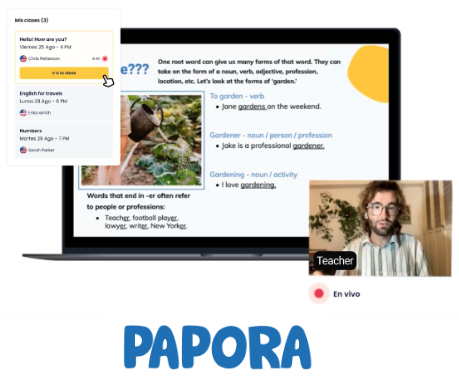


1. Papora
Papora combines a self-paced course with unlimited live classes, making it one of the most complete English learning platforms on this list.
Unlike apps that focus only on vocabulary or short exercises, Papora is designed to help you communicate in real-life situations.
Key Features
- Unlimited live classes in small groups (max. 6 students)
- 500+ interactive lessons available 24/7
- Levels from A1 to C1
- Classes led by expert native-level teachers
- Self-paced course + structured progression

Who is Papora best for?
Papora is a strong option for learners who want structure and live practice, not just short exercises.
It works well if your goal is to improve speaking confidence through regular live classes while progressing through a structured self-paced course.
You also receive a Papora Certificate after completing each level, which can support your professional profile.
2. Falou
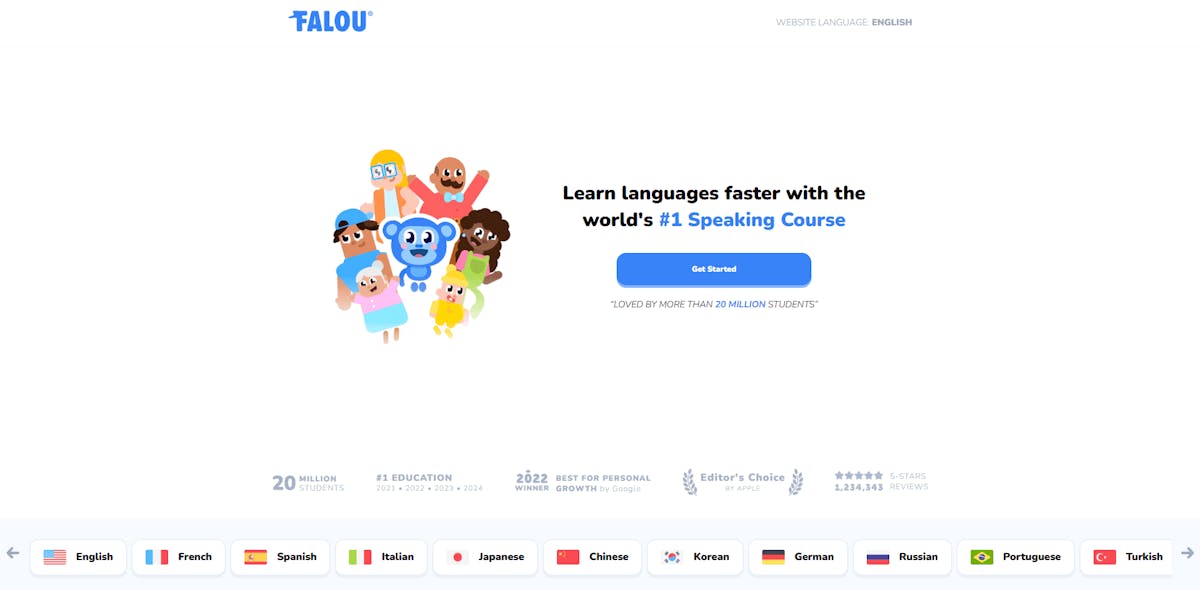
Falou focuses on structured grammar practice and pronunciation improvement through short, interactive exercises.
Key Features
- Vocabulary and grammar training
- AI-generated simulated conversations
- Pronunciation practice
- Flashcards and reinforcement games
- Available in 20+ languages
Plans
Falou offers a free version with limited daily access.
Paid subscription plans start at $9.99 per month, depending on country and duration.
Who is Falou best for?
Falou is a good option for learners who want to improve pronunciation and grammar through short, structured exercises.
3. Cake
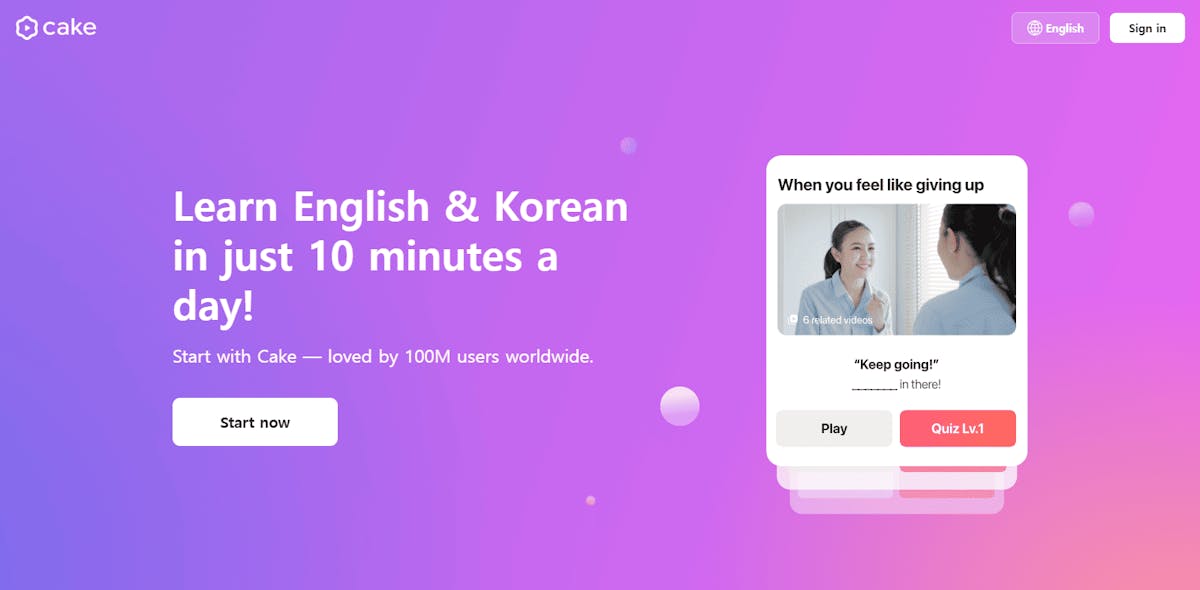
Cake delivers English lessons through short YouTube-based videos and audio clips, making it a strong choice for visual learners.
Key Features
- Lessons built around real YouTube content
- Voice recognition for pronunciation practice
- Interactive quizzes and exercises
- Short, daily learning format
Some apps offer similar video-based approaches, as discussed in ABA English reviews, but Cake focuses heavily on short-form content.
Plans
Cake offers a free version with ads and limited features.
Cake Plus plans start at $13.99 per month, depending on country and subscription length.
Who is Cake best for?
Cake works well for learners who prefer short video-based lessons and casual daily practice.
4. Tandem
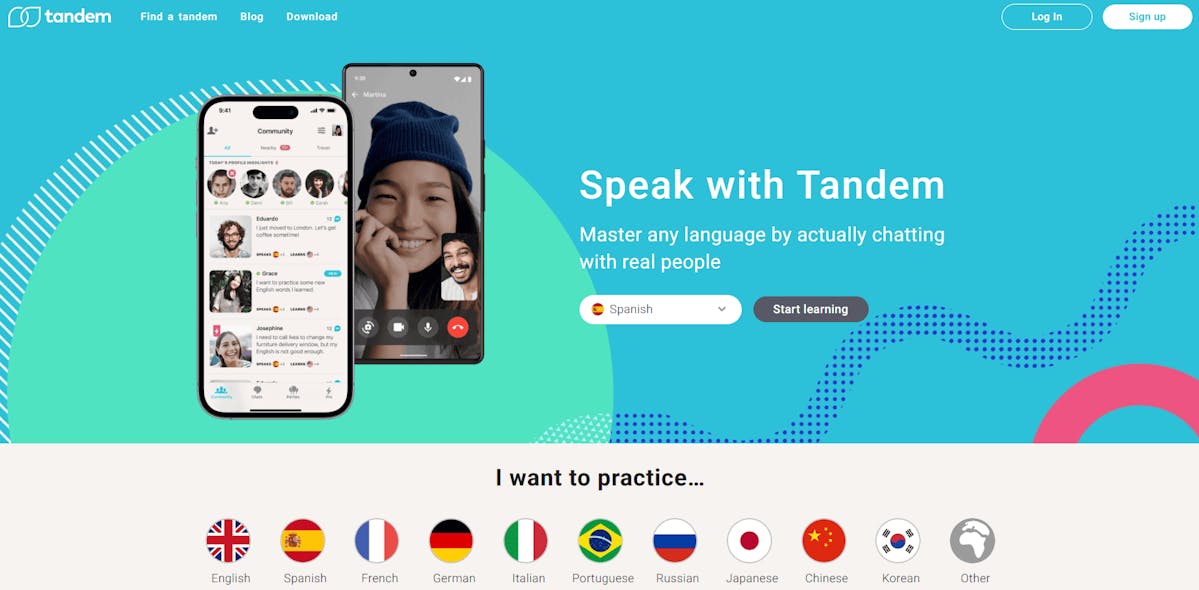
Tandem connects language learners through real-time chat and voice exchange with native speakers around the world.
Instead of structured lessons, the platform focuses on peer-to-peer conversation practice.
Key Features
Real-time text and voice chat
Global community of language learners
Translation tools and corrections
Optional Tandem Pro features
Pricing
Tandem offers free access to its core language exchange features.
Tandem Pro starts at $12.99 per month or approximately $59.90 per year, depending on region.
Who is Tandem best for?
Tandem is a good option for learners who want to practice speaking and writing through casual conversations with other users.
5. Beelinguapp
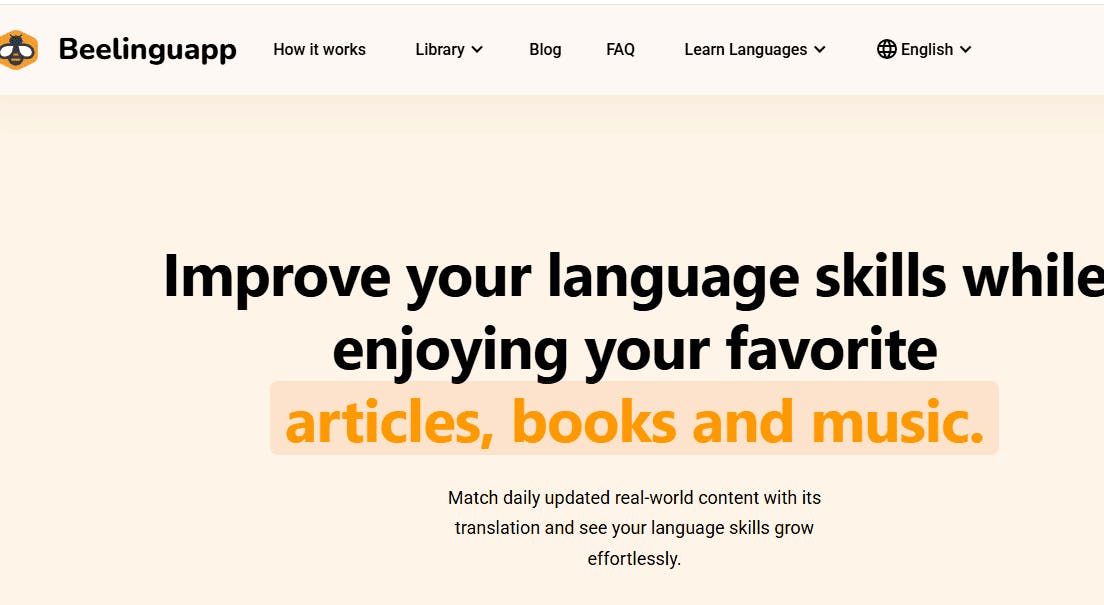
Beelinguapp focuses on bilingual reading practice through stories, articles, and audiobooks.
Users can read texts in English alongside their native language and tap words to see translations and pronunciation.
Key Features
- Bilingual reading format
- Audiobooks and pronunciation support
- Tap-to-translate vocabulary tool
- Quizzes and flashcards
Pricing
Beelinguapp offers free access to selected stories and features.
Premium plans start at approximately $8.99 per month, with annual subscriptions available depending on country and promotions.
Who is Beelinguapp best for?
Beelinguapp works well for learners who want to improve reading comprehension and vocabulary through stories and audio support.
Looking for a more structured way to learn?
After comparing different apps, you may want something that combines independent study with real teacher interaction. Papora offers a guided learning path with live classes and a complete self-paced course.
See how Papora works
6. Drops
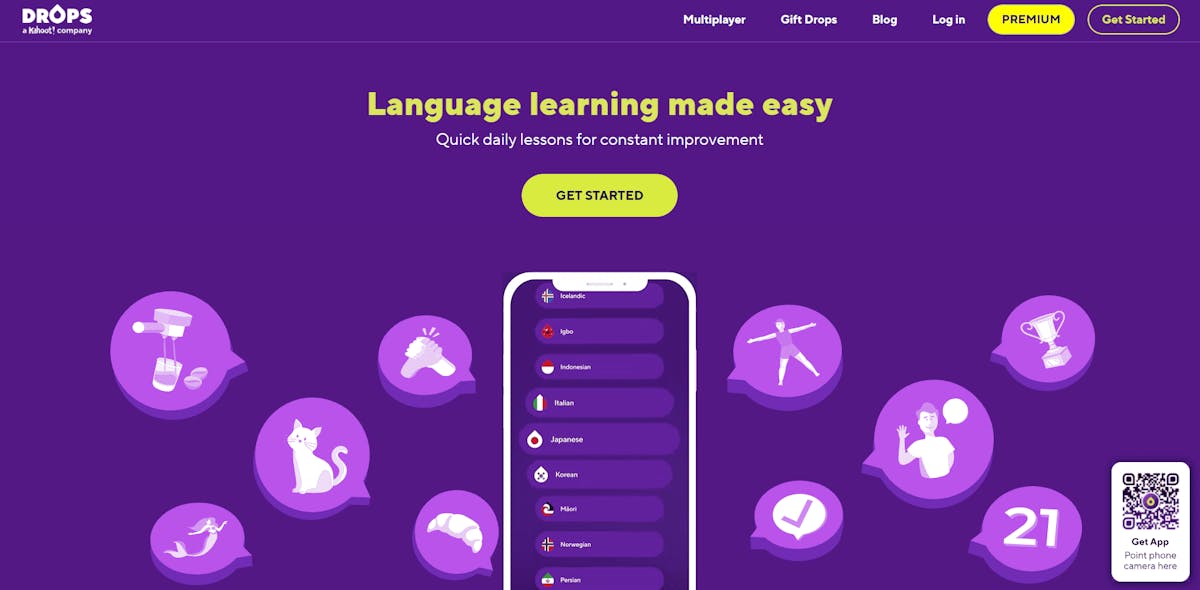
Drops focuses on vocabulary learning through short, visual exercises. Lessons are based on word associations with images and phrases.
Key Features
- Visual vocabulary exercises
- Short daily sessions
- 45+ languages available
- Gamified learning format
Plans
Drops offers a free version with limited daily access.
Paid plans start at approximately $10.99 per month or around $69.99 per year, depending on country and current promotions.
Who is Drops best for?
Drops works well for learners who want to expand their vocabulary through short, visual, game-like sessions.
7. Ewa English
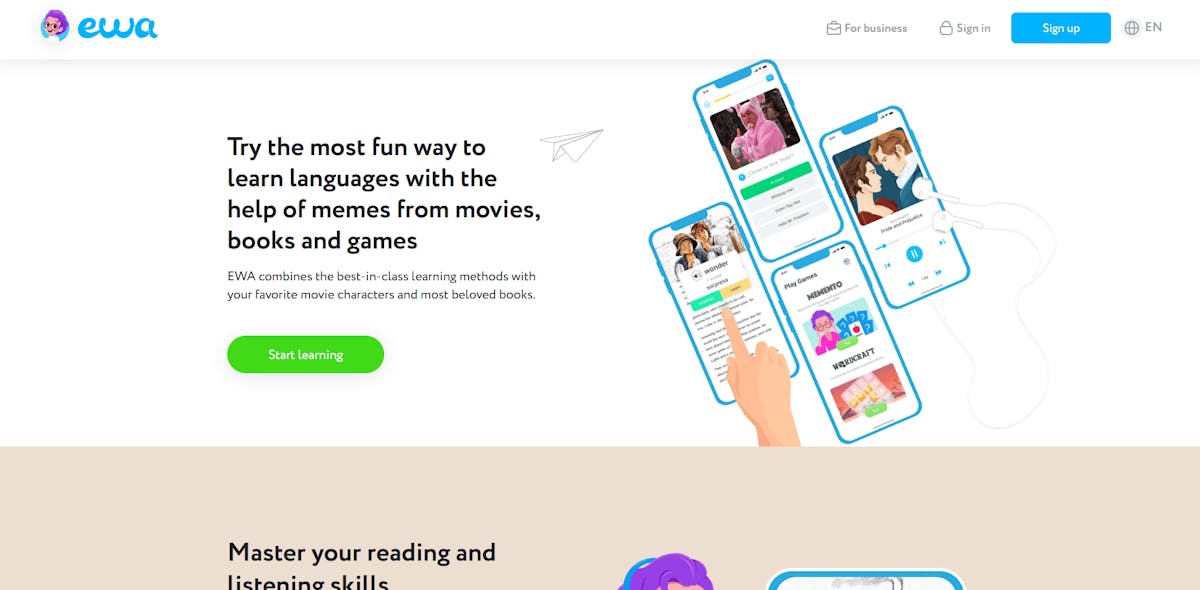
EWA English combines books, short stories, videos, and interactive exercises to help learners improve vocabulary and reading skills.
Key Features
- Library of 100+ books and stories
- Tap-to-translate vocabulary tool
- Audio pronunciation support
- Interactive games and exercises
Plans
EWA offers a free version with limited access to content.
Paid plans start at approximately $8.99-$12.99 per month, depending on country and subscription length.
Who is EWA English best for?
EWA is a good option for learners who enjoy reading-based practice supported by interactive tools and short exercises.
8. Hello Talk
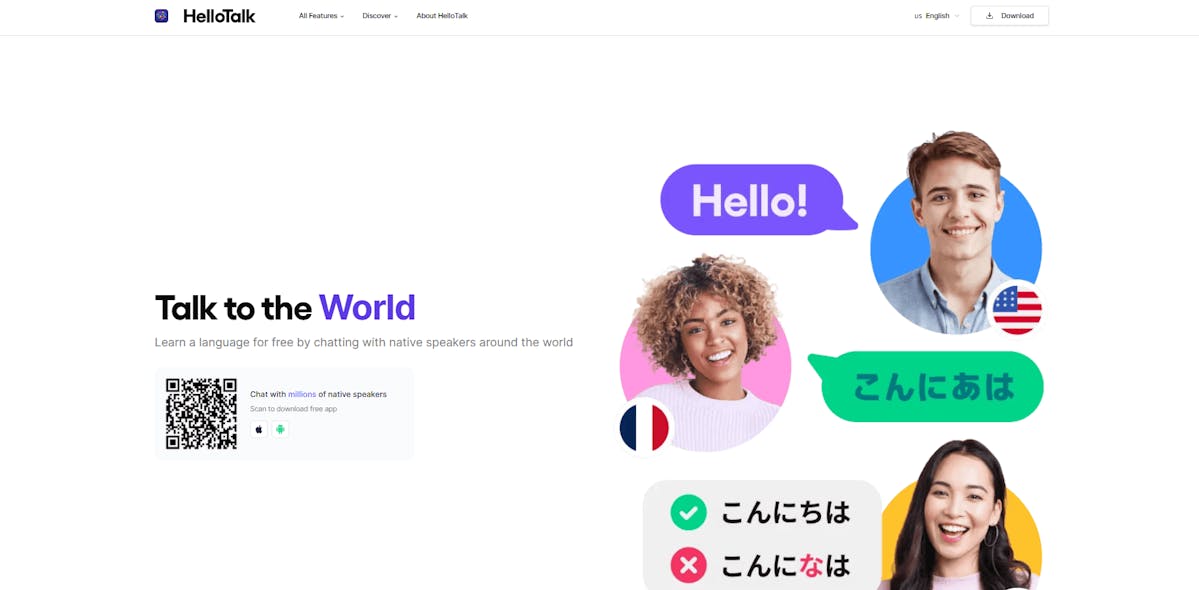
HelloTalk is a language exchange platform that connects users with native speakers through chat, voice messages, and video.
It focuses on real-time communication and social interaction.
Key Features
- Text, voice, and video messaging
- Built-in translation and correction tools
- Global community of learners
- Social-style interface
Plans
HelloTalk offers a free version with access to core features.
The VIP plan starts at approximately $12.99 per month or $79.99 per year, depending on country.
Who is HelloTalk best for?
HelloTalk is suitable for learners who want to practice speaking and writing through informal conversations with native speakers.
9. Rosetta Stone
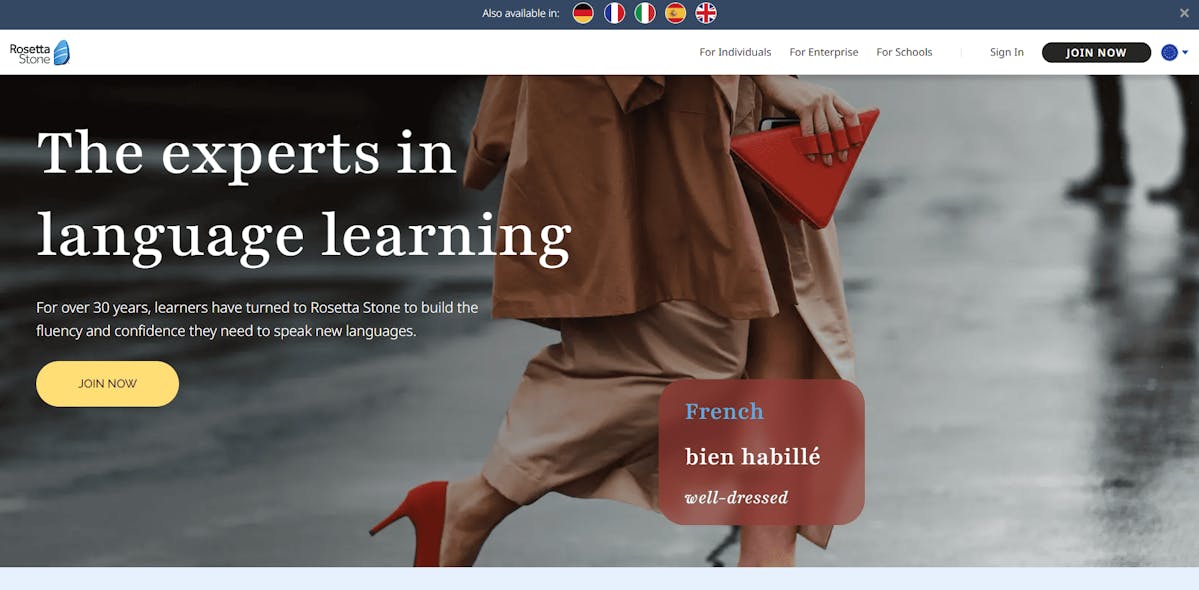
Rosetta Stone uses image-based lessons and practical exercises to develop speaking, listening, reading, and writing skills.
The method focuses on immersive learning through everyday scenarios.
Key Features
- Image-based lessons
- Structured learning path
- Live tutoring sessions (optional add-on)
- Progress tracking tools
Plans
Rosetta Stone does not offer a permanent free version, but a limited trial may be available.
Paid plans start at approximately $10.50 per month (annual plan) or $15.95 per month (3-month plan). A lifetime option is also available in some regions.
Who is Rosetta Stone best for?
Rosetta Stone is suitable for learners who prefer a structured, immersive approach with long-term study plans.
How to choose the right English learning app
Before choosing an app, it helps to be clear about your goal.
Ask yourself:
- Do you want live interaction or self-paced learning?
- Is speaking your main priority?
- Do you prefer short daily exercises or a structured learning path?
- Are you looking for free access, or are you open to a paid plan?
- Do you learn better with videos, reading, or conversation practice?
If you’re just starting out, exploring the right English tools to start from scratch can help you build a solid foundation before committing to a long-term plan.
Each app on this list focuses on something slightly different. The right choice depends on how you prefer to learn.
Final recommendation - Papora
If you’re looking for a structured and complete learning experience, Papora is a strong option to consider.
It offers:
- 500+ interactive lessons in a self-paced course
- Levels from A1 to C1
- Unlimited live classes in small groups
- A method focused on real communication
This makes it suitable for learners who want steady progress with clear structure and consistent speaking practice.
Ready to move beyond casual practice?
If you want a structured path with real speaking practice and clear level progression, Papora offers a complete learning experience designed to help you communicate with confidence.
Start learning with Papora
Frequently asked questions about English language learning applications
The best app depends on your goals. Some focus on vocabulary, others on conversation or structured lessons. If you’re looking for a platform that combines guided progression with live speaking practice, Papora offers levels from A1 to C1 and unlimited live classes.
You can learn English through mobile apps that offer structured lessons, conversation exchange, or short daily exercises. Some platforms also provide live classes and clear level progression, which can help you stay consistent and track your improvement.