
Looking for the best magazines to learn English? Below is a complete ranking of 15 English magazines, organized by level from A1 to C2.
Top 15 English Magazines to Learn English
- Just English Magazine
- Time for Kids
- Scholastic Scope
- Cricket Magazine
- Reader’s Digest
- People Magazine
- Travel + Leisure
- Sunset Magazine
- BBC Learning English
- Deutsche Welle (DW)
- National Geographic
- Forbes
- Vogue
- Vanity Fair
- The New York Times
This list includes magazines for beginners, intermediate learners, and advanced readers. Some focus on structured language practice, while others build vocabulary through real-world topics like news, business, travel, culture, and science. Choose the one that matches your level and interests.
English Magazines for Beginners (A1-A2)
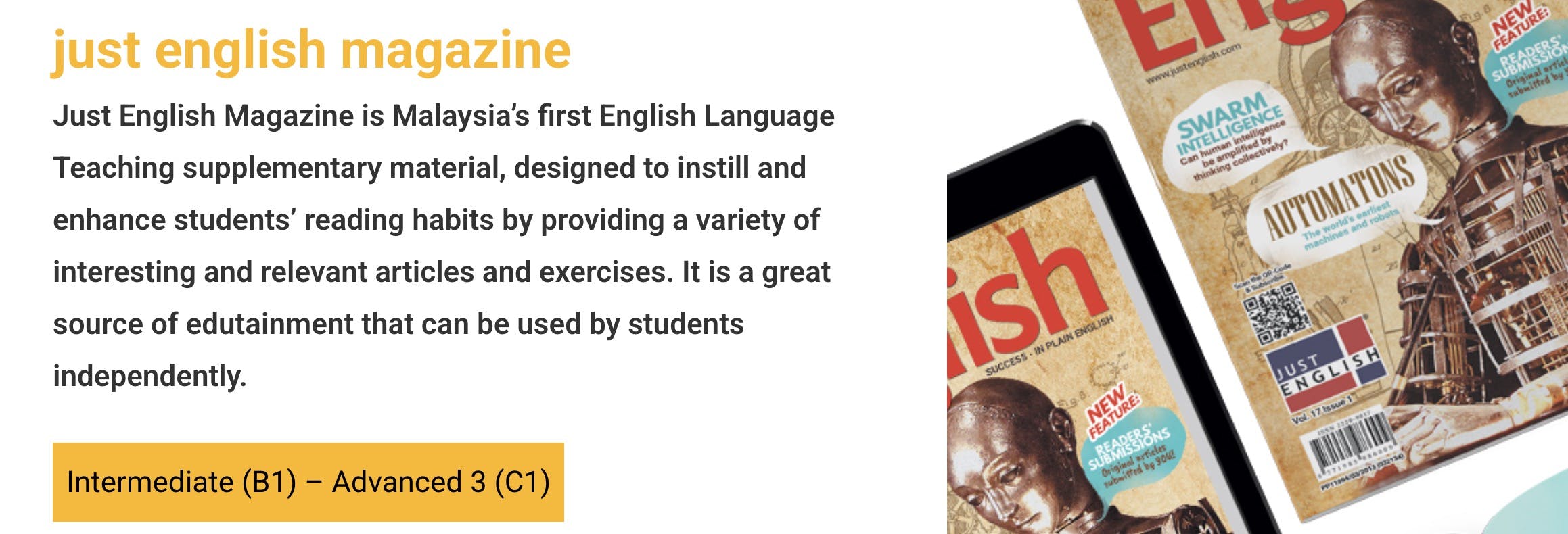
1. Just English Magazine
Perfect magazine for students looking for structured educational content and articles graded by level. Its focus is entirely on English language learning.
2. Time for Kids
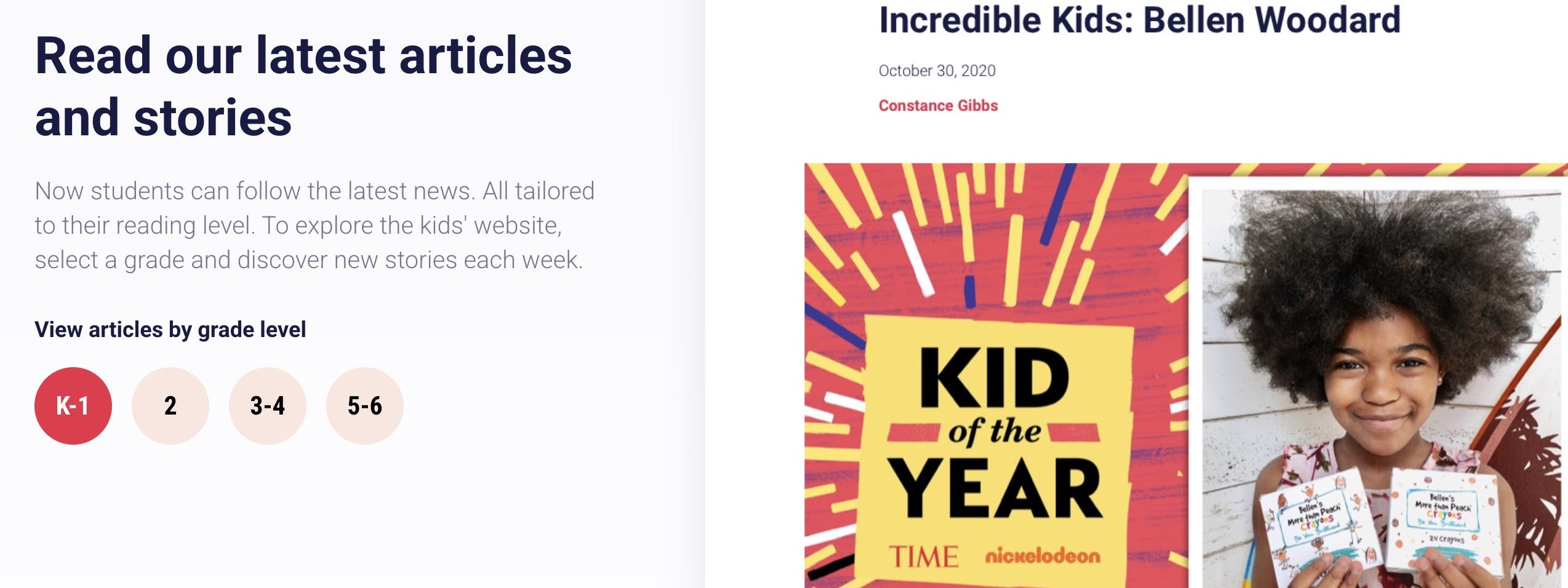
A simplified version of the famous Time magazine, it features current news in the simple present tense and short sentences, making it a helpful complement to other apps for kids to learn English.
3. Scholastic Scope
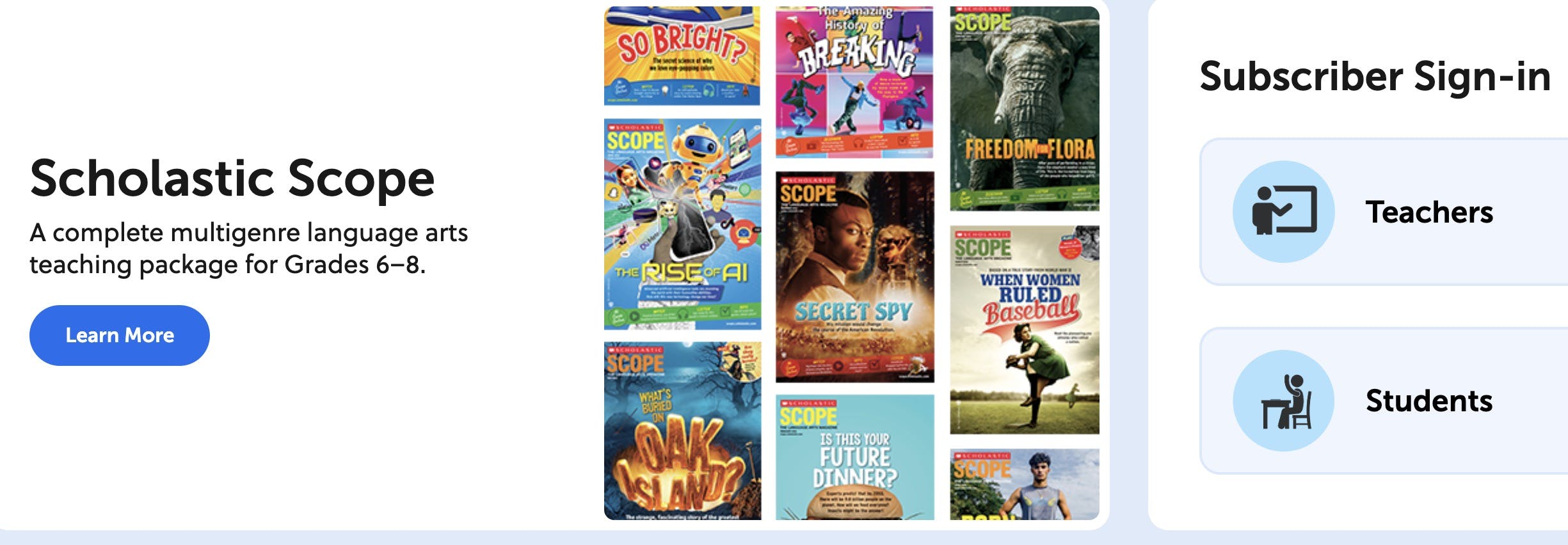
Although it requires a subscription, it has an educational and literary focus with integrated activities that can be a great study supplement.
4. Cricket Magazine
Their short stories are affordable and use clear language to help you begin learning basic English. They also have illustrations to help with comprehension.
Reading helps. Speaking makes it real.
Magazines build reading skills. But Papora adds unlimited live classes and 500+ lessons to help you speak with confidence.
Start speaking confidently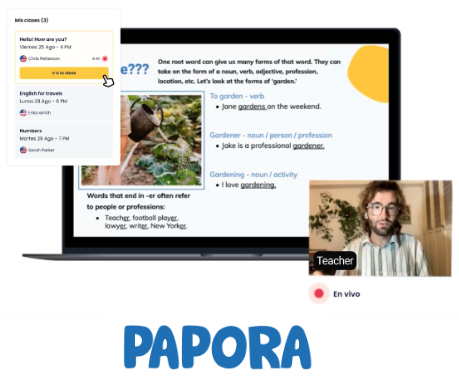


Magazines for intermediate level (B1-B2)
5. Reader's Digest
This newscast features a variety of inspiring stories and fun facts. It offers completely free content and easy-to-follow anecdotes.

6. People Magazine
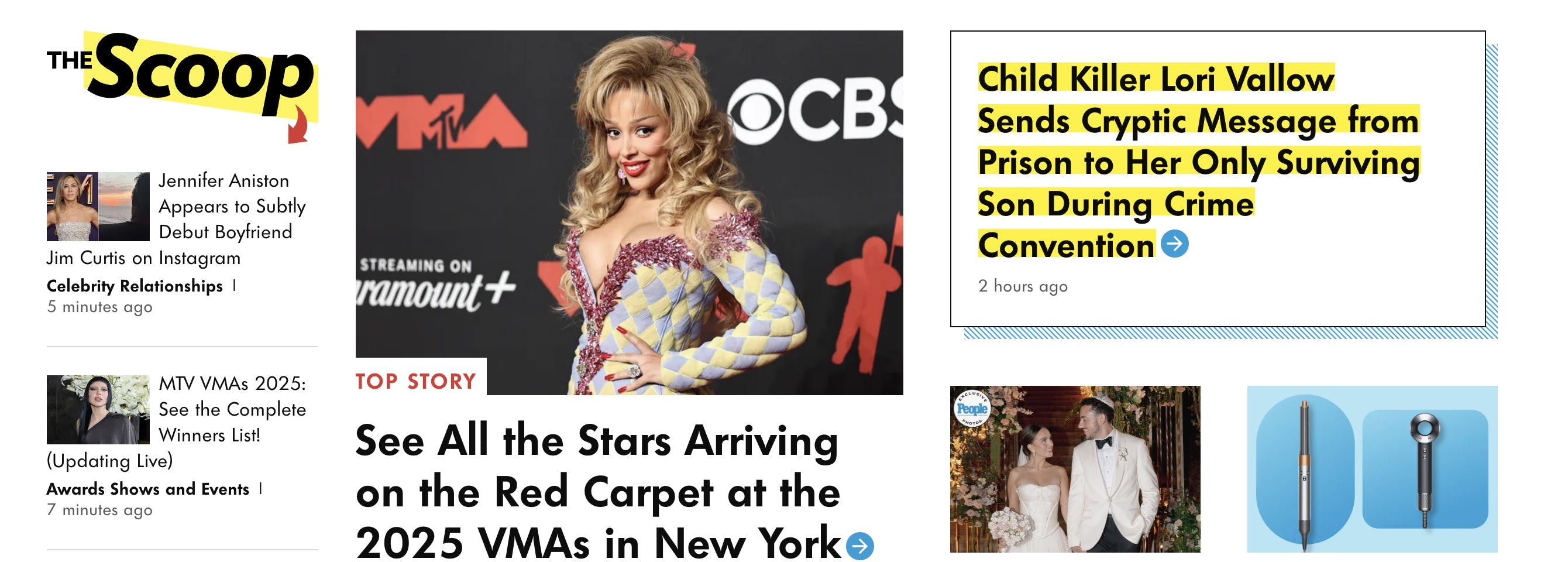
This English-language magazine focuses on celebrities, informal language, and pop culture. You can learn colloquial expressions and also access premium articles through subscription.
7. Travel + Leisure
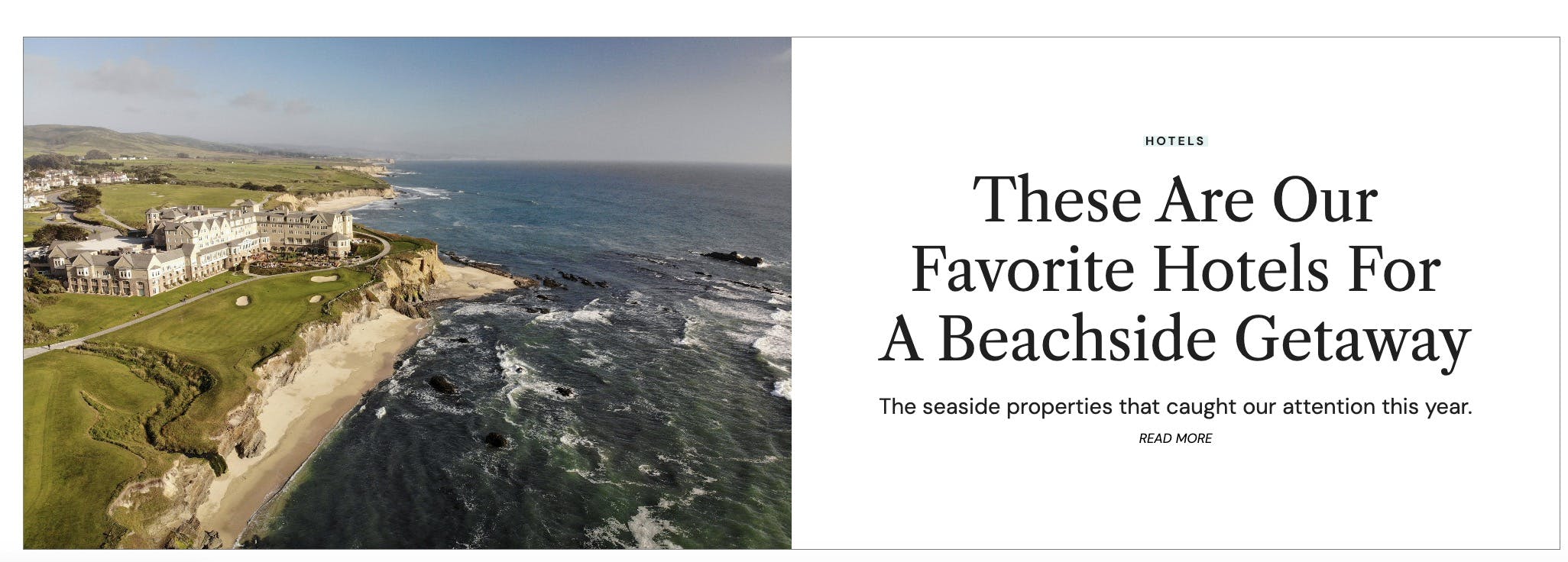
You'll find destination guides with practical vocabulary, and you can prepare for travel while you learn.

8. Sunset Magazine
An English-language magazine focused on the outdoor lifestyle, featuring articles about adventures and unique places. You can practice outdoor vocabulary and enjoy beautiful photography.
9. BBC Learning English and BBC News:
Content designed for learners with well-structured articles and a standard journalistic format that introduces you to real-life, everyday English.

Magazines for advanced level (C1-C2)
10. Deutsche Welle (DW)
Current affairs magazine with more complex political analysis and international news.

11. National Geographic
Learn with science, nature, or history topics. This will help you develop a more technical, academic, and scientific English.

12. Forbes Magazine
- Articles in English on business, packed with industry terminology and global perspectives.
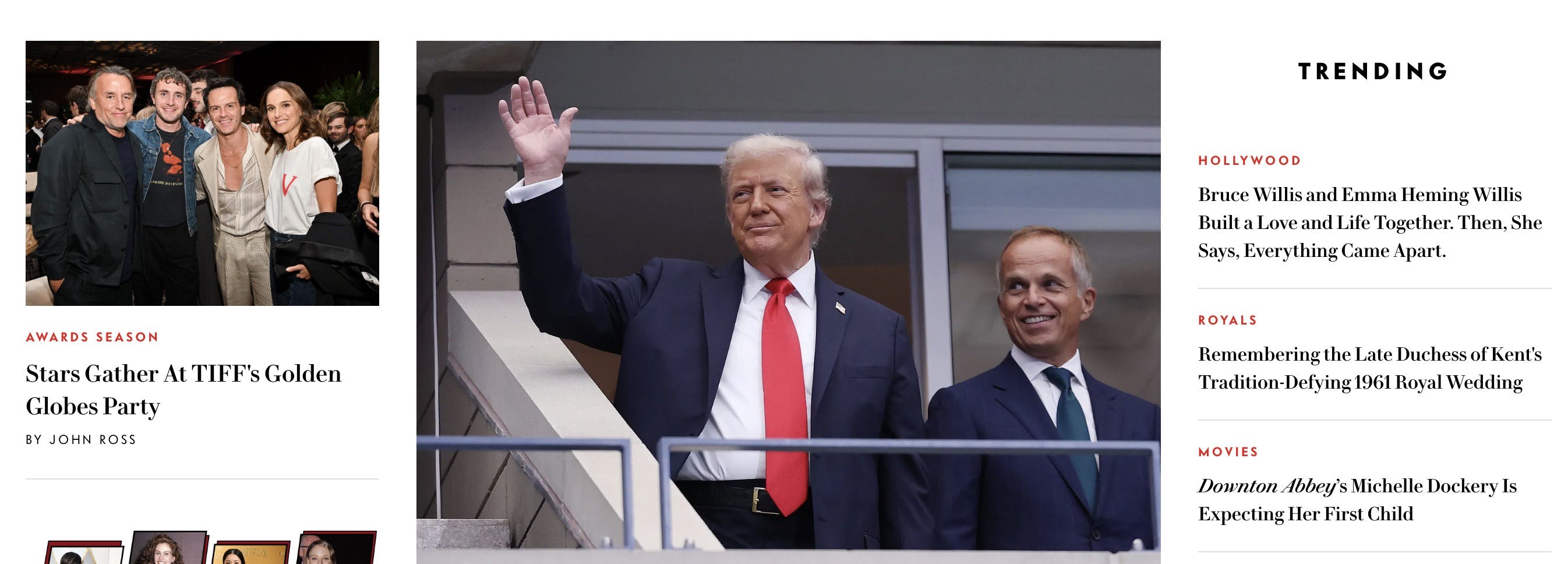
13. Vogue Magazine
If you love fashion, art, and culture, this magazine's free content is for you. You'll learn sophisticated language from the fashion and art world with detailed descriptions.
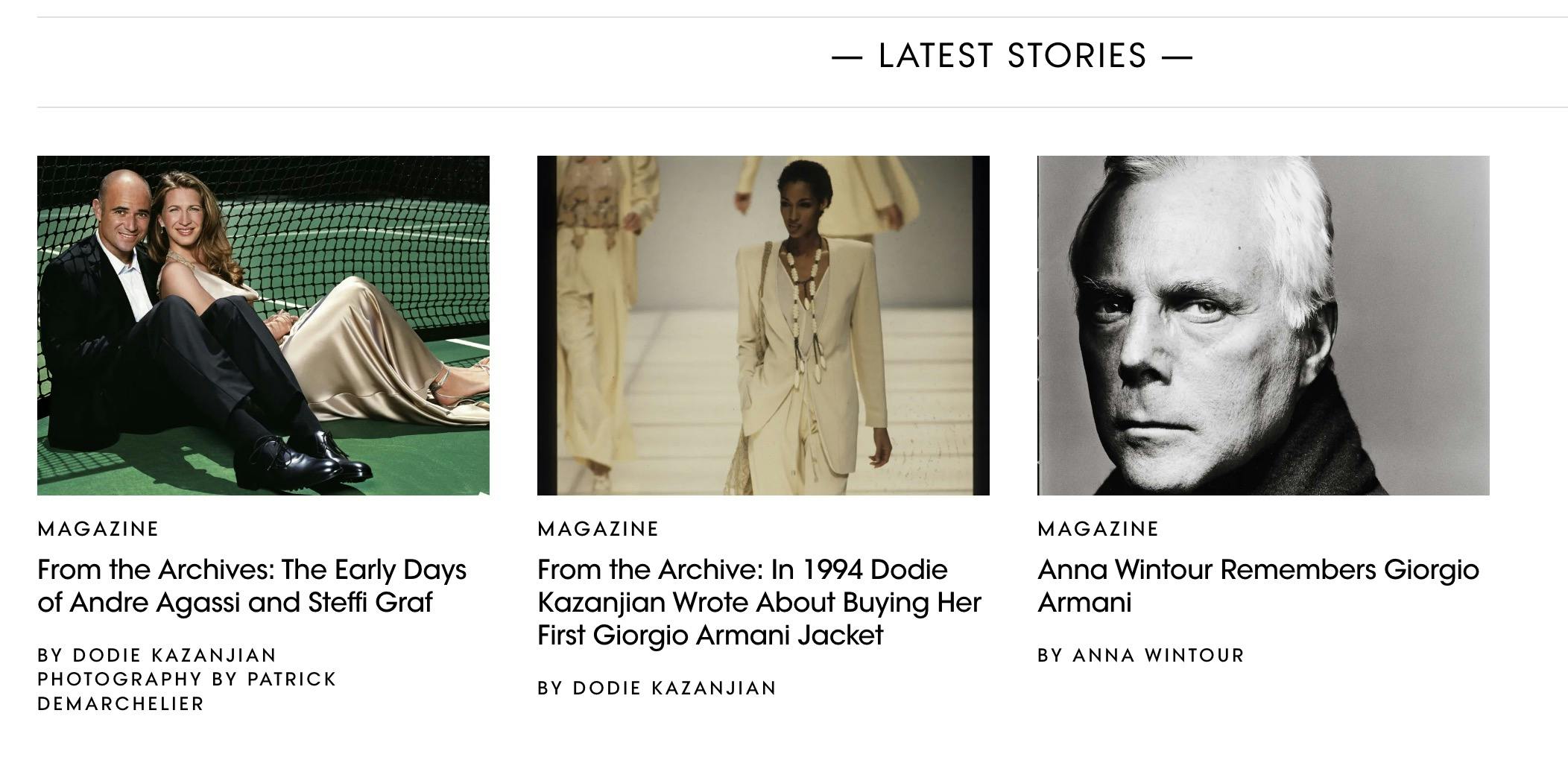
14. Vanity Fair
Culture and entertainment magazine with subscription options and podcasts included. Its articles are long and literary, so they can be a good study challenge.
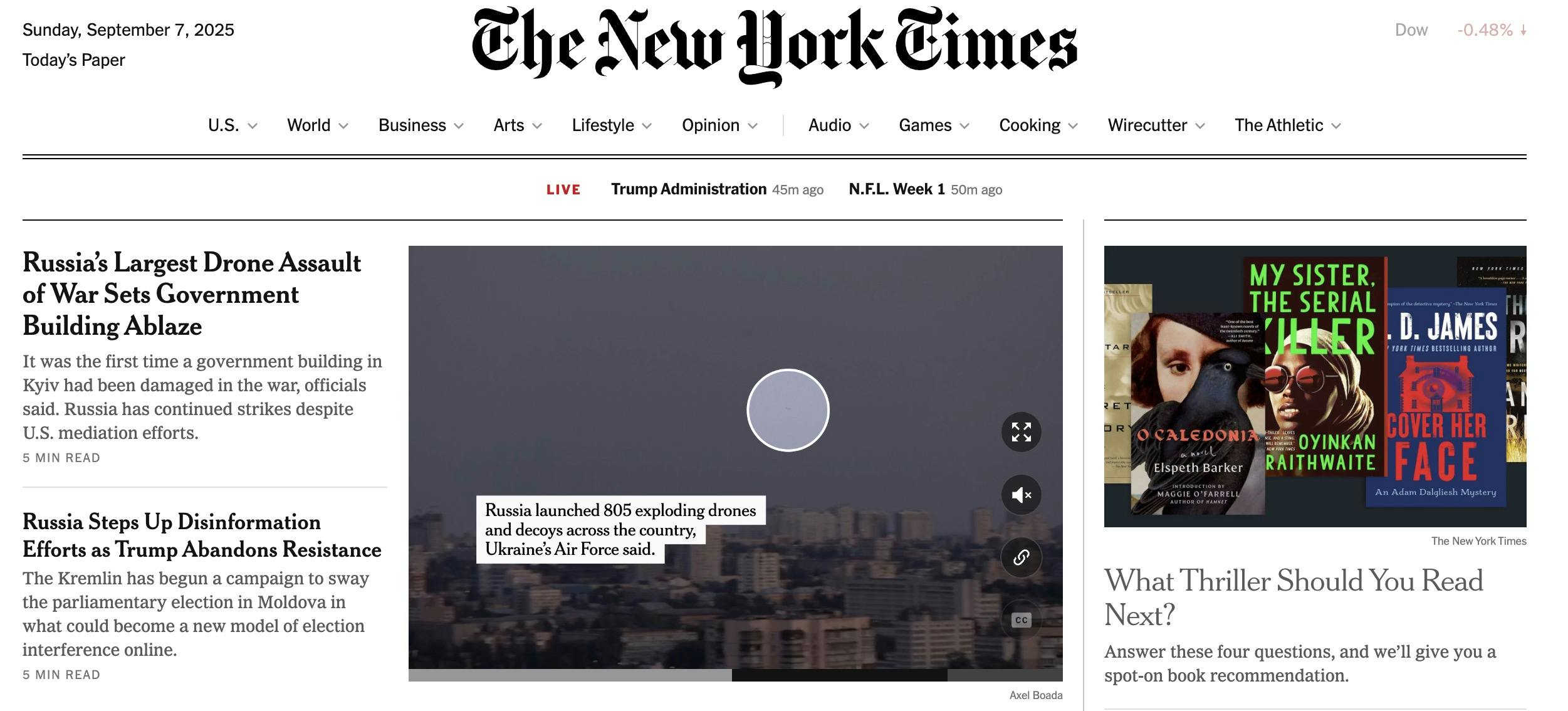
15. New York Times
Magazine with sophisticated vocabulary, complex analysis, and advanced journalistic structure.
Reading builds knowledge. Speaking builds fluency.
Reading helps you understand English. If you also want to use it in real conversations, Papora gives you unlimited live classes with expert native-level teachers.
Start speaking English
Effective strategies for learning with magazines:
Reading magazines can be a powerful way to improve your English - if you use them actively. Instead of just skimming articles, try to turn each reading session into real practice. There are the most effective strategies:
- Choose articles slightly above your level so you keep learning new vocabulary naturally.
- Read once for general meaning, then read again to notice useful phrases and sentence structures.
- Highlight full expressions, not isolated words. English works in chunks.
- Keep a short vocabulary list and review it weekly.
- Summarize what you read in 2–3 sentences, preferably out loud.
Reading regularly improves comprehension and vocabulary over time. However, many learners notice the same frustration: they understand more and more, but when it’s time to speak, they hesitate.
Practice with live experts at Papora
Reading builds understanding. At Papora, you turn that understanding into conversation. You practice speaking in live classes with expert native-level teachers and reinforce everything through a self-paced course.

With Papora, you get:
✅ Expert native-level teachers
✅ Unlimited live classes in small groups
✅ A self-paced course with 500+ lessons
✅ Real-time pronunciation and grammar correction
✅ Flexible scheduling
✅ A certificate for each completed level (A1–C1)
Ready to keep improving?
The next step is simple: consistent practice and real conversations.
Start speaking English
Frequently Asked Questions About English Learning Magazines
15-20 minutes a day is enough to see progress. Consistency matters more than long sessions. Start with short articles. Increase length as comfort grows. Tracking improvement over time gives a clearer picture of long-term English learning progress.
A good rule of thumb is to understand about 70-80% of the content on your first reading. If it feels too difficult, choose something easier; if it feels effortless, move up a level. In Papora classes, teachers help you identify the right level and practice the vocabulary you encounter while reading.